So, how do businesses use knowledge graphs? What problems do they solve?
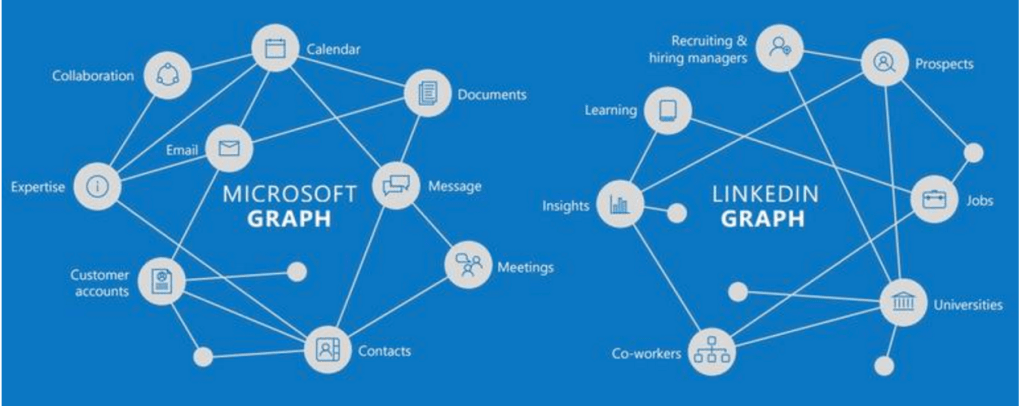
Creating a large knowledge base can always be a lot of work, however, for a business like LinkedIn, they push data “primarily from a large amount of user-generated content from members, recruiters, advertisers, and company administrators, [supplementing] it with data extracted from the internet”, rather than solely gathering information from humans like Wikipedia does, or solely data from other internet pages and knowledge vaults like Google.
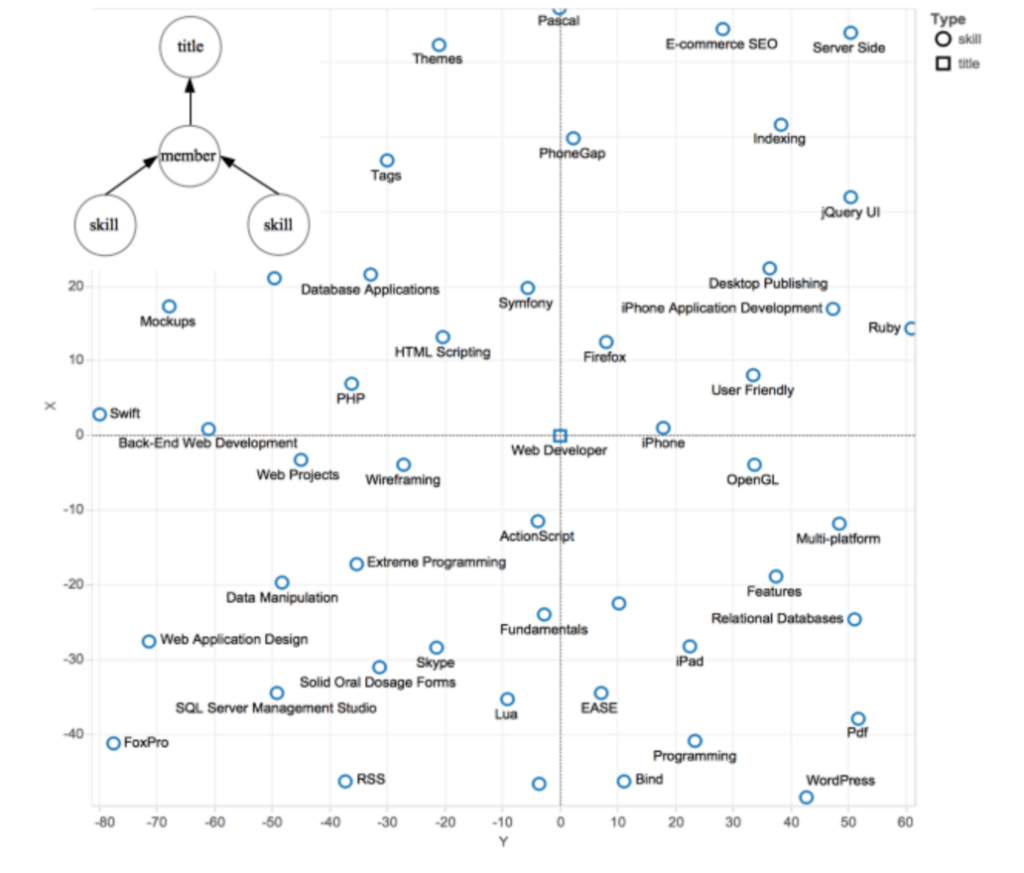
As LinkedIn’s entire purpose is to provide guidance, freedom, and power to the individual who is looking to network or even find their perfect job, it only makes sense that their knowledge graph is dynamic, constantly scaling as “new members register, new jobs are posted, new companies, skills, and titles appear in member profiles and job descriptions, etc.”. Again, this is done so that their very users can continue to form endless relationships continually, having entities emerge for the user in real-time through a process in which “machine learning is applied to entity taxonomy construction” so that one’s data representation can be tied to the knowledge graph, even as users change their profiles and update their titles.
We often take advantage of how easy it is to work different networking applications and websites, overlooking the very framework that knowledge graphs provide!
More…
“To date, there are 450M members, 190M historical job listings, 9M companies, 200+ countries (where 60+ have granular geo-locational data), 35K skills in 19 languages, 28K schools, 1.5K fields of study, 600+ degrees, 24K titles in 19 languages, and 500+ certificates, among other entities.”
Clearly, there are a ton of users on this interface, adding and subtracting from LinkedIn’s knowledge base dynamically. Users are able to make their own titles and fields of study, among other entities, is there anything a knowledge graph can do to regulate the use of “user-generated organic entities”?
Well, yes!
In order to successfully deal with the problem of potential “organic entity” overload, LinkedIn additionally refined their knowledge graph system so that it holds “[inductively generated] rules to identify inaccurate or problematic organic entities”, all for the betterment of the company so that an ease of access is provided in order to bring true value and satisfaction to the customer.
Follow My Blog
Get new content delivered directly to your inbox.
 Knowledge Graph